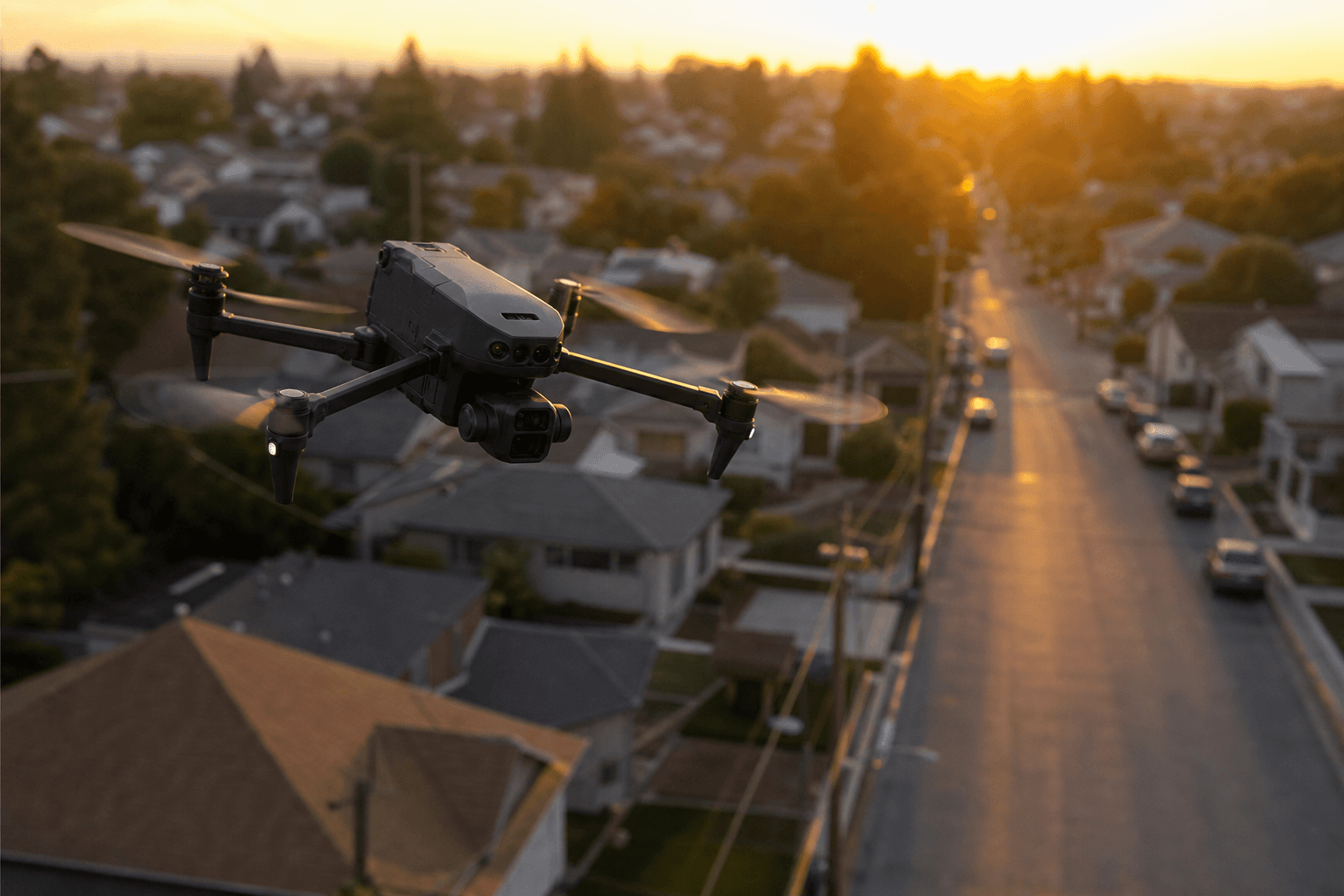
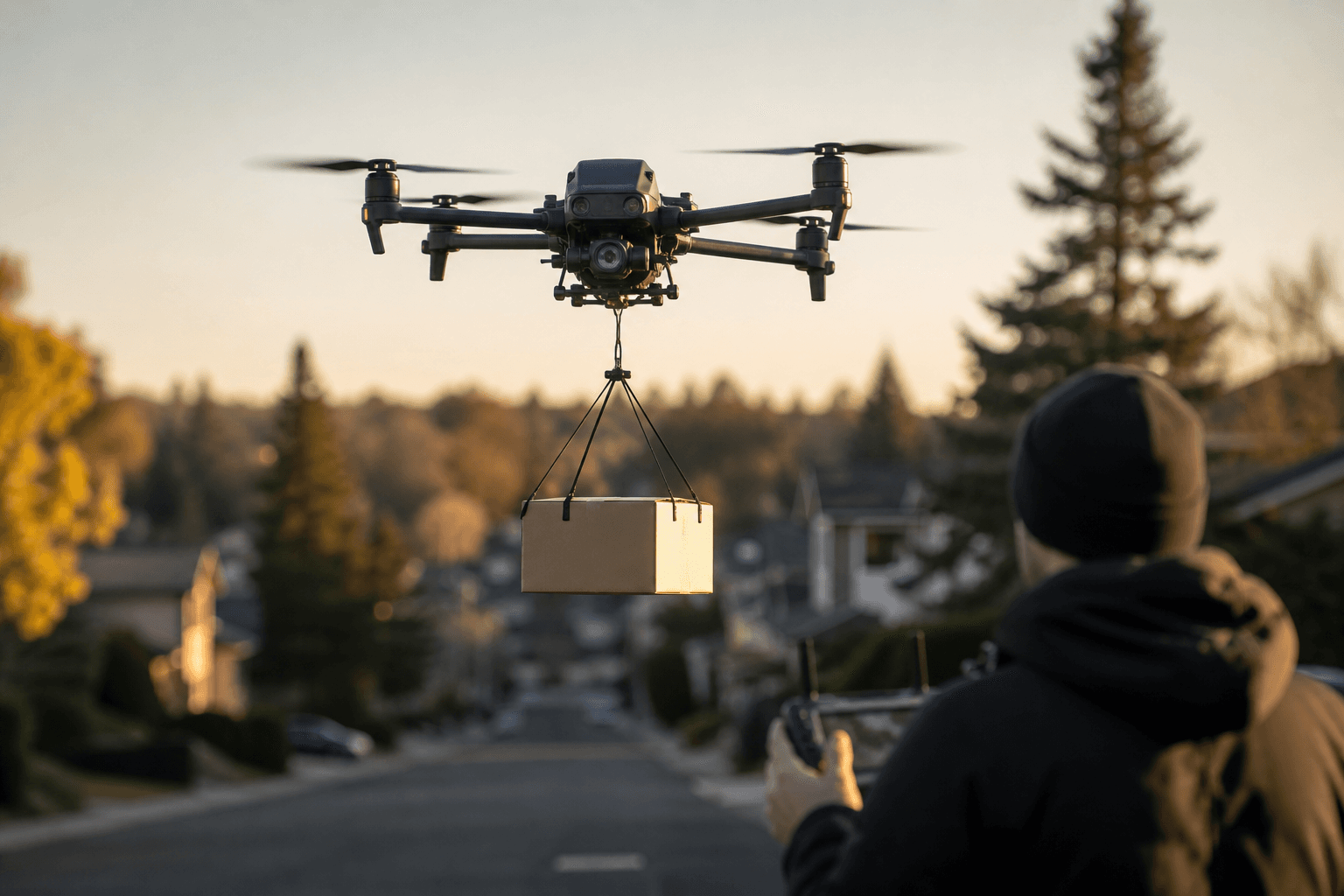
A single week in September crystallized a problem the drone industry has been circling for months: the rules that will govern beyond-visual-line-of-sight (BVLOS) flight are being written in more than one place at once — and one of those places is largely out of public view. As UAV Coach reported, the Transportation Security Administration is now drafting security requirements for Part 108 operations behind closed doors, while a separate FAA proposal remains in front of legal analysts and the public. The same week, a Zipline aircraft came down under its parachute near Houston, a reminder of the real-world operations these rules are meant to govern.
For pilots and operators planning their next few years around scaled BVLOS work, the takeaway is uncomfortable but clear: the regulatory picture is fragmenting across agencies, and the parts you can't read yet may matter as much as the parts you can.
3,829
Comments on the related FCC spectrum proposal
2
Federal agencies now shaping Part 108
24/7
DFR waiver hours secured by Campbell PD
Two Agencies, One Rulebook
Most of the industry's attention has gone to the FAA's proposed Part 108 framework — the long-awaited pathway to routine BVLOS operations without case-by-case waivers. As attorneys Nicholas Ajello and Gregory Emry of Hinshaw & Culbertson noted in their analysis, the proposal is dense and consequential, touching how operators qualify, how aircraft are approved, and how risk is assessed. That's the document the public can read and respond to.
What's newer is TSA's role. According to Dronelife, TSA has begun seeking industry input on security requirements specific to Part 108 BVLOS operations. But as UAV Coach framed it, much of that work is happening outside a formal public rulemaking — through channels that don't produce the open comment record pilots have come to expect from the FAA. DroneXL separately reported that TSA has delayed some of its Part 108 security talks, suggesting the process is neither fast nor fully transparent.
When two agencies write to the same operators, the risk isn't just duplication — it's contradiction that surfaces only after you've built your program around one set of assumptions.
The practical concern for operators is coordination. FAA airworthiness and operational rules and TSA security requirements will both land on the same delivery, inspection, and public-safety programs. If those requirements aren't harmonized — or if one arrives late — companies could find themselves compliant with one agency and exposed under another.
The Waivers Aren't Waiting
While the rulemaking grinds forward, real operations keep expanding under the existing waiver system. UAS Magazine reported that the Campbell Police Department secured a waiver enabling 24/7 Drone as First Responder (DFR) operations — a milestone for public-safety agencies that have historically been boxed in by daylight and line-of-sight constraints. Round-the-clock DFR is exactly the kind of program that will eventually migrate onto Part 108 rails, which is why how those rails get built matters now.
The Zipline incident near Houston, reported by DroneXL, cuts the other way. An aircraft coming down under parachute is, in one sense, a safety system working as designed. But it's also the kind of event that feeds public and regulatory caution — and it lands squarely in the space TSA and the FAA are trying to regulate. Expect incidents like this to shape the security and contingency provisions being drafted right now.
For those tracking public-safety UAS and commercial BVLOS work, the lesson is that waiver-era experience is becoming the evidence base for the permanent rules. What agencies like Campbell demonstrate today informs what everyone can do tomorrow.
The International Backdrop
None of this is happening in a vacuum. Commercial UAV News described this year's Commercial UAV Expo as a marker of the "internationalization" of uncrewed aviation, and The American Surveyor reported the event drew record turnout. Dronelife, meanwhile, reported that the FAA and EASA increasingly see cross-border collaboration as key to scaling BVLOS — a signal that US operators may eventually benefit from more aligned standards abroad even as domestic agencies work through their own coordination.
Other governments are moving too. Australian Flying reported that the Gold Coast will host a Global Drone 2026 event built around autonomous innovation, and The Diplomat noted drone-related lines in Taiwan's newly passed 2026 budget. The direction is consistent: BVLOS and autonomy are national-priority topics almost everywhere.
The risk for US operators is falling behind not on technology but on regulatory clarity. A rulebook split between the FAA in public and TSA behind closed doors is harder to plan against than a single, transparent framework.
Ready to get Part 107 certified?
Study the exact material this article covers — narrated lessons and unlimited practice exams. Your $19/mo membership also includes preflight checks, fleet & currency tracking, and 20 drone maps a month.