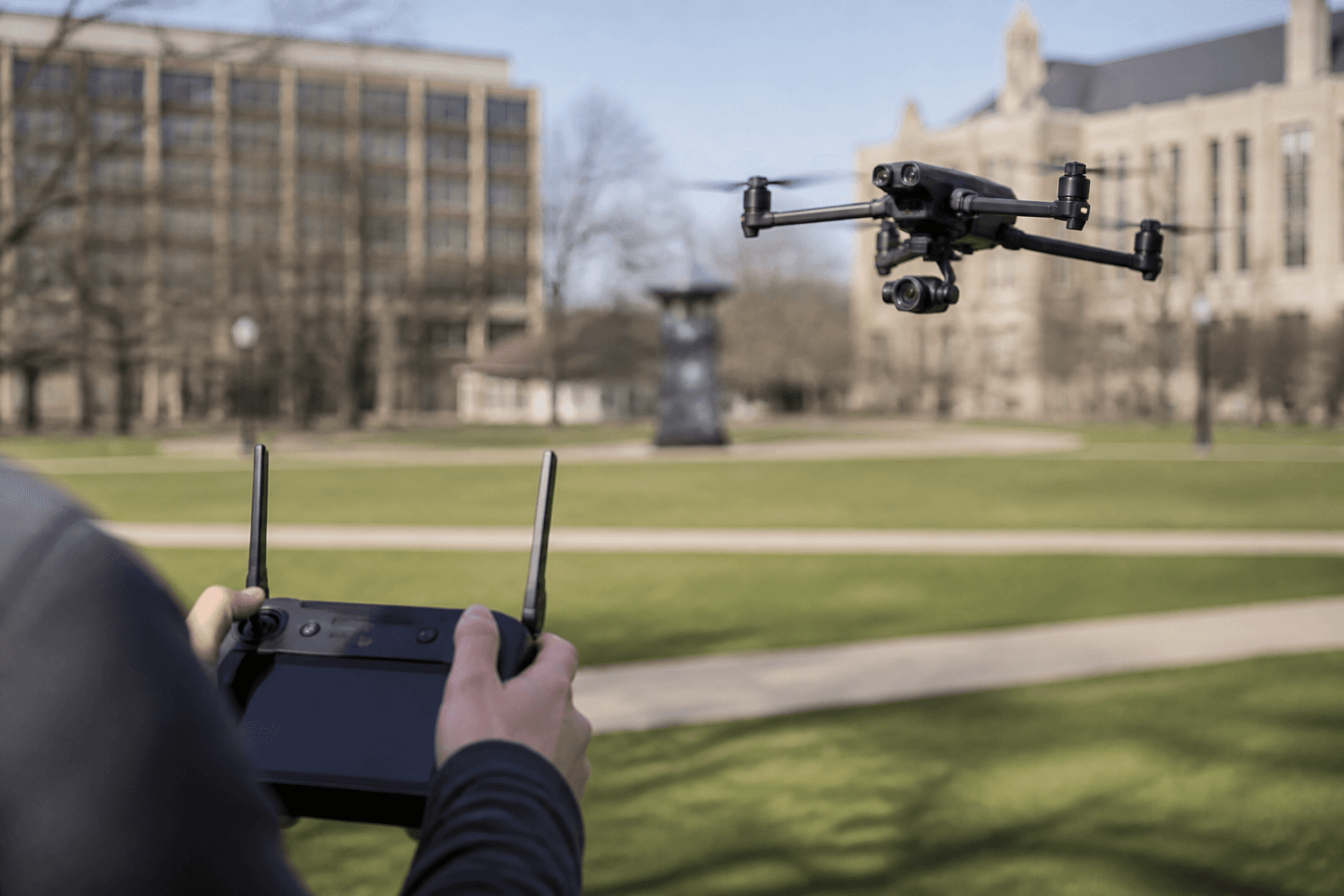
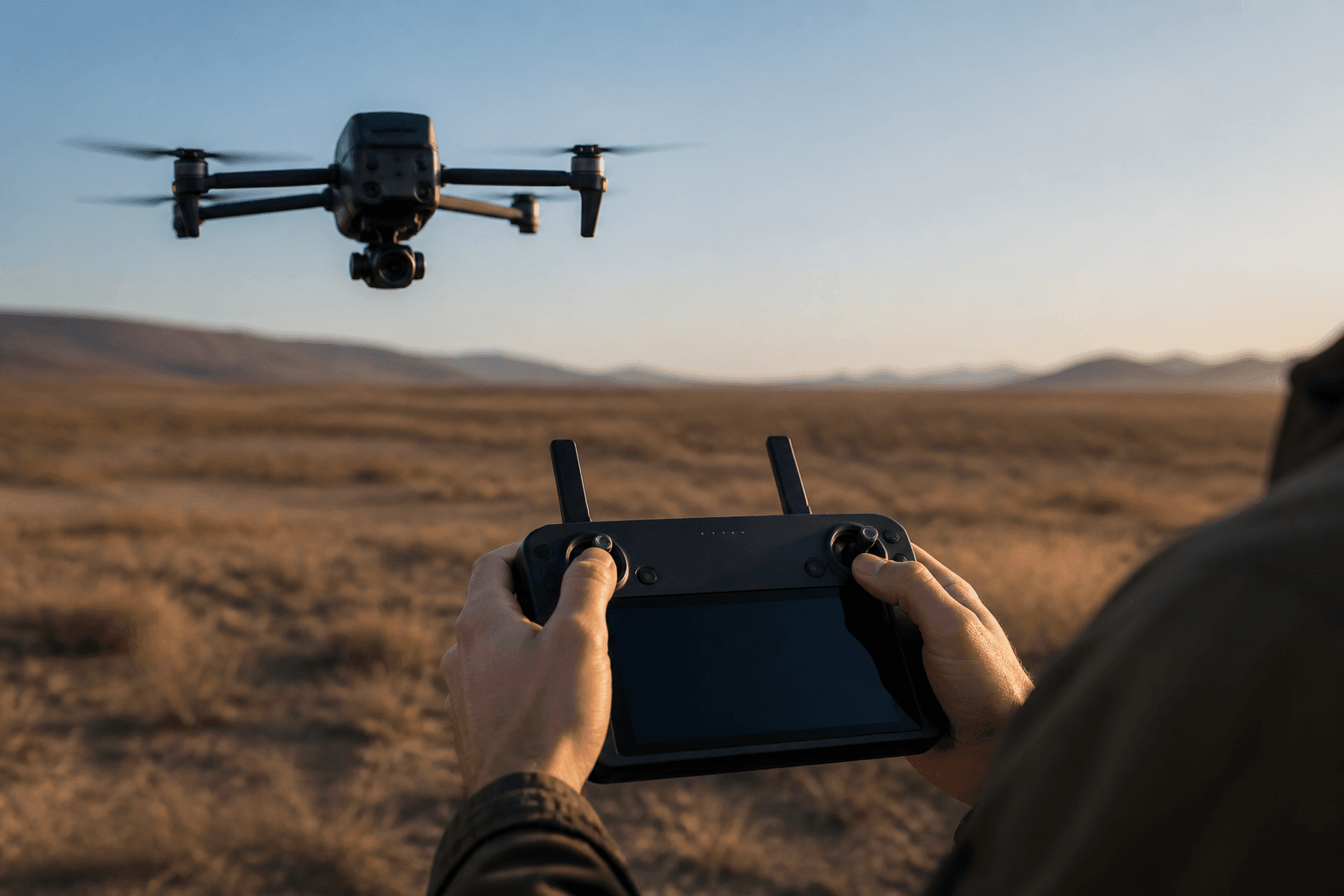
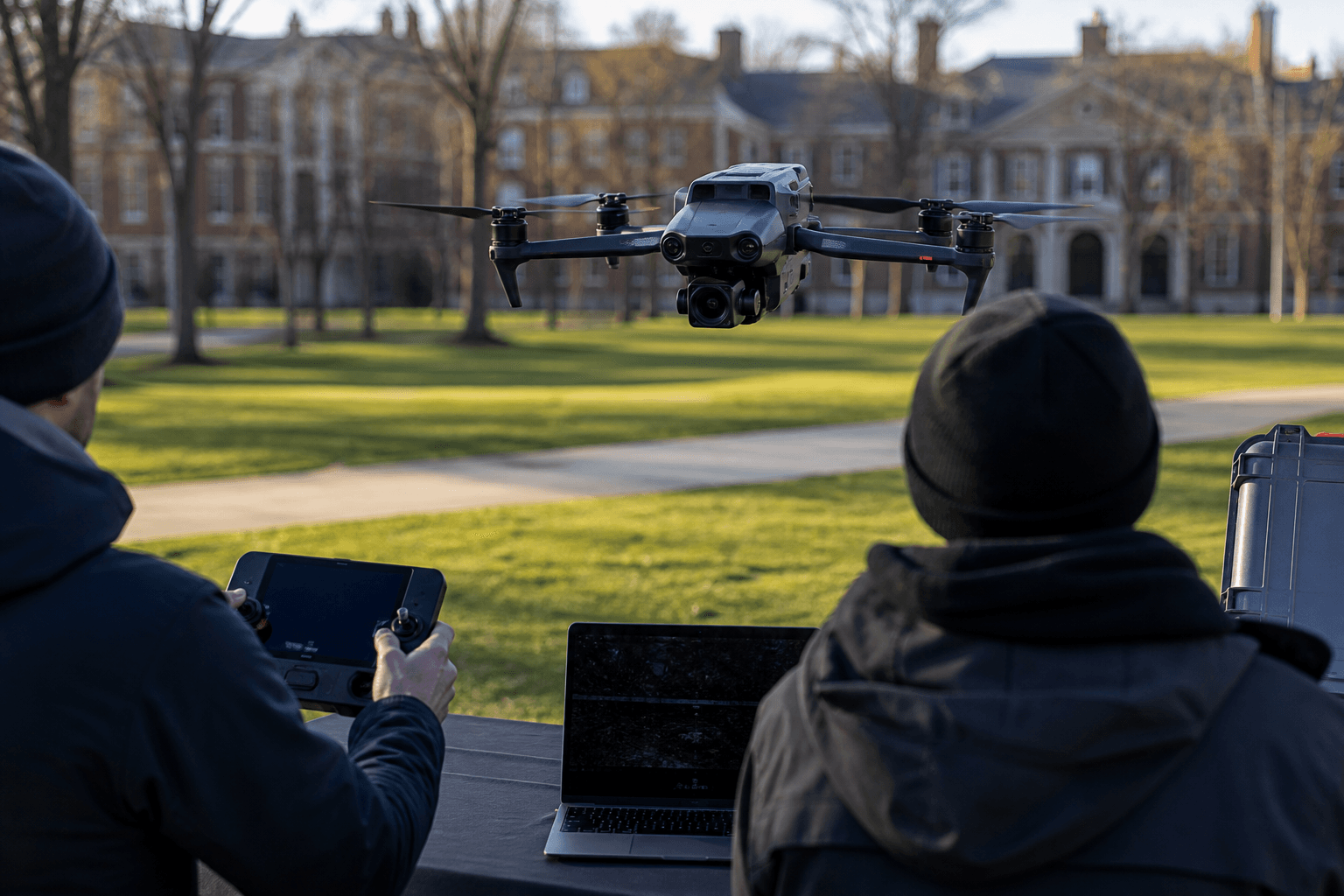
When Tufts University announced that three of its students had earned the FAA Part 107 Remote Pilot Certificate, it wasn't reporting a research breakthrough or a policy shift. It was celebrating something more ordinary and, in a way, more telling: students walking through the front door of the commercial drone industry using the same 60-question test the rest of us take. Read alongside recent how-to coverage from Thomasnet and FLYING Magazine, the story points to a quiet consensus forming around Part 107 — that it is now a widely accessible, entry-level credential rather than a specialist barrier.
For anyone studying for the exam or maintaining an existing certificate, that framing matters. It shapes how employers value the credential, how quickly new pilots are entering the field, and what you need to do to stand out once you have it.
The credential is being marketed as reachable — and that's mostly accurate
FLYING Magazine's headline said the quiet part out loud: "You (Probably) Have What It Takes To Be a Drone Pilot." That optimism isn't hype. The Part 107 path really is short compared with manned aviation. There's no flight-hour requirement, no medical certificate, and no in-person practical test. You study a defined body of aeronautical knowledge, pass the Unmanned Aircraft General knowledge exam at an FAA-approved testing center, and register with the FAA.
Thomasnet's guide walks through this same basic pipeline — eligibility, the knowledge test, registration — as a set of concrete, achievable steps rather than an intimidating gauntlet. The Tufts announcement, in turn, shows that framing playing out in practice: undergraduates, not career aviators, clearing the exam.
The practical takeaway for you is to trust the process but respect the material. "Accessible" does not mean trivial. The knowledge test still demands real command of:
- Airspace classification and how to read a sectional chart
- Weather theory and how to interpret a METAR or TAF
- Regulations, including operating limitations and waiver categories
- Loading, performance, and crew resource management
- Airport operations and radio communication procedures
Most first-time candidates who fail do so because they underestimated airspace and weather, not because the test is designed to weed people out. Structured preparation through a course library or practice exams closes that gap far more reliably than skimming the free study guide the night before.
The barrier moved from the test to what comes after
Here's the strategic shift buried in these stories. When a credential becomes genuinely accessible, its scarcity value drops. Three students at one university earning it in a single announcement is a signal that the certificate alone no longer distinguishes you.
When everyone can pass the test, the test stops being the differentiator. What you can actually fly, document, and deliver becomes the resume.
That's not a reason to skip Part 107 — it's the mandatory license to operate commercially, full stop. But it does mean the smart move is to treat the certificate as your starting line, not your finish. Employers in commercial inspection, mapping, real estate, and media increasingly want proof of capability layered on top of the license: logged flight time, familiarity with specific platforms, comfort with mission-planning software, and a clean understanding of how to request airspace authorizations through LAANC.
The students in the Tufts story now have the same credential as a veteran mapping contractor. The difference between them going forward will be everything the certificate doesn't measure.
Getting certified is step one; staying certified is the part people forget
The least glamorous item in this cluster of coverage may be the most consequential for current pilots. The Drone Girl's explainer on FAA recurrent training is a reminder that Part 107 is not a one-and-done achievement.
Under the current system, certificated remote pilots must complete recurrent training to keep their privileges valid. The FAA moved this to a free online course — a meaningful change from the earlier requirement to return to a testing center. The recurrent training covers updated regulatory and safety material and must be completed on the schedule the FAA specifies to keep your certificate current.
What should you actually do about it?
- 1Know your dates. Track when your recurrent training is due and don't let it lapse.
- 2Take the online course seriously as a refresh, not a formality — airspace rules and operational requirements evolve.
- 3Keep your records. Retain proof of recurrent completion the same way you'd keep any operating documentation.
The recurrent shift to a free online format lowers the friction of staying compliant, which fits the broader theme across all four sources: the FAA and the training ecosystem are steadily removing obstacles to entry and maintenance. That's good for the profession's growth. It also means the responsibility for staying sharp lands squarely on the individual pilot.
What this means for you
The combined message from these reports is consistent. Part 107 is more reachable than ever, campuses and trade outlets are actively promoting it, and the recurrent process is now lower-friction. None of that changes the underlying knowledge you must master or the compliance discipline you must maintain. If anything, it raises the bar on what you do after the certificate is in hand.
Key takeaways
- Part 107 is an accessible entry credential — but the knowledge test still rewards real study of airspace and weather.
- As the certificate becomes common, logged experience and platform skills are what set you apart to employers.
- Recurrent training is now a free online course; track your dates and keep proof of completion to stay current.
Ready to get Part 107 certified?
Study the exact material this article covers — narrated lessons and unlimited practice exams. Your $19/mo membership also includes preflight checks, fleet & currency tracking, and 20 drone maps a month.