The regulatory scaffolding that will govern beyond-visual-line-of-sight drone work in the United States is finally taking shape. Aero-News Network reported on July 21 that Part 108 — the rule the industry has waited on for years to enable routine BVLOS operations — is nearing the finish line. It arrives alongside a fresh FAA notice of proposed rulemaking on drone restrictions around critical infrastructure and a broader enforcement posture that changes the calculus for every commercial operator.
For pilots, this isn't one story. It's several moving pieces landing at once: new operating authority, new no-fly zones, new money chasing capability, and a maturing operational backbone. Read together, they signal that the permissive-waiver era is giving way to a structured, rules-based one.
55,000+
Monthly commercial drone operations managed by ANRA
2209
Section governing infrastructure airspace restrictions
108
The new BVLOS operating rule nearing finalization
Part 108 and the shift from waivers to a standing framework
Under today's rules, most complex commercial work — BVLOS in particular — runs on individual FAA waivers and exemptions. That approach is slow, case-by-case, and hard to scale. Part 108, as Aero-News Network described it, is meant to replace that patchwork with a standing operating framework. Commercial UAV News, in its July 6 analysis, framed Part 108 alongside Part 146 and Section 2209 as the pillars of what it called a "new enforcement era" — one where compliance is defined up front rather than negotiated waiver by waiver.
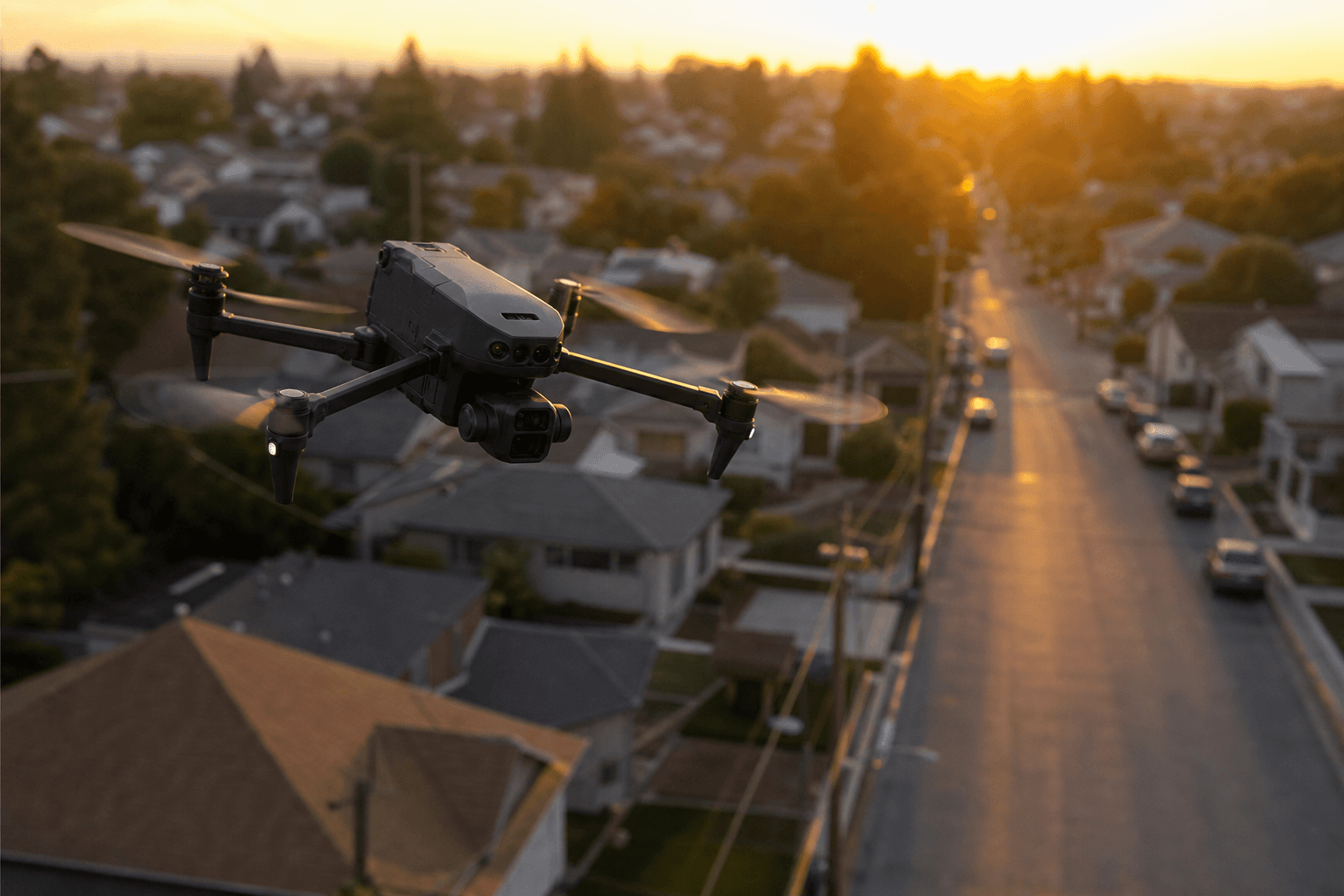
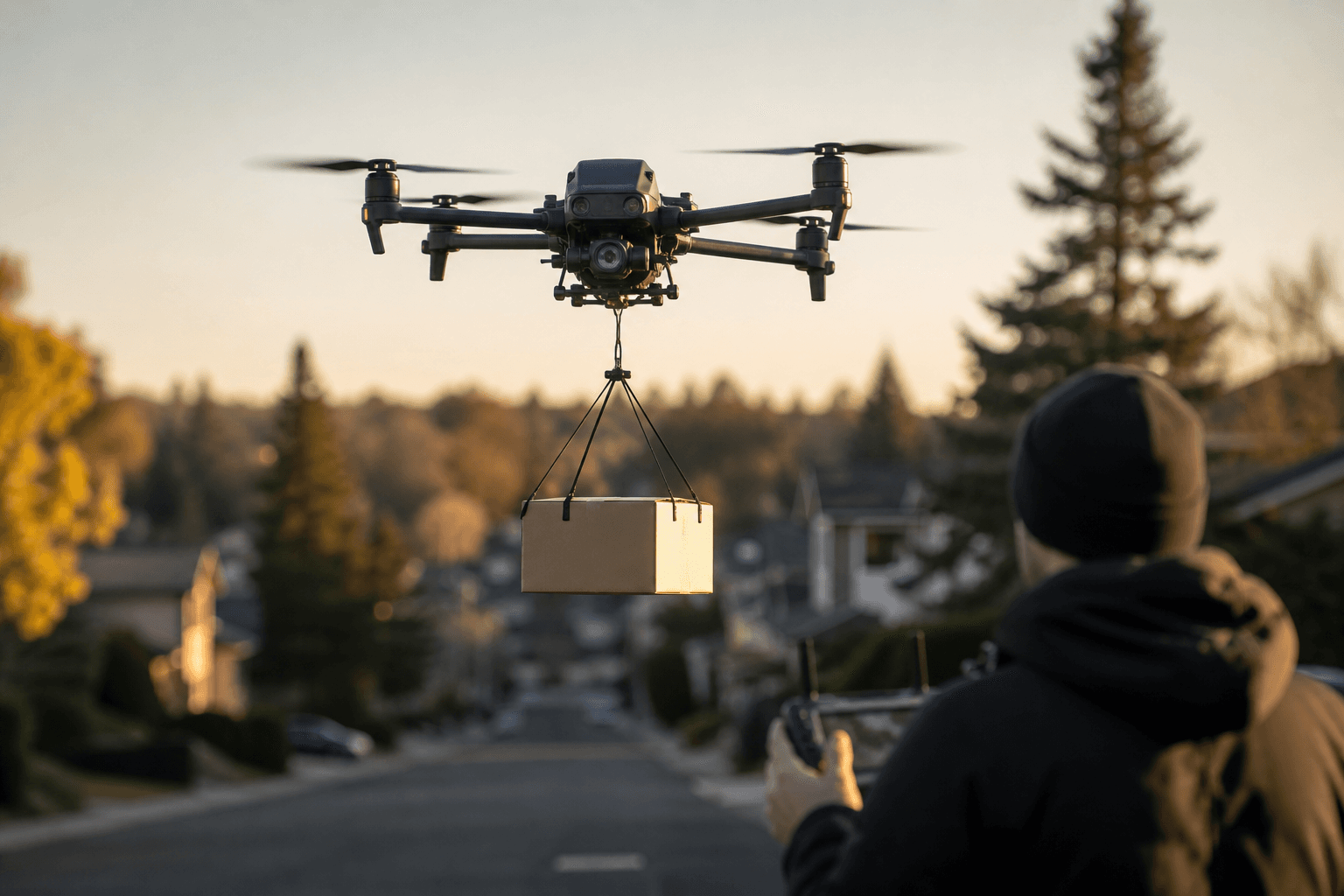
That's a meaningful change for anyone building a business around routine, repeatable flights: infrastructure inspection, mapping, delivery, and public safety response. A durable rule means operators can plan capital investment and staffing against a known standard instead of an approval queue.
The permissive-waiver era is giving way to a structured, rules-based one — and that rewards operators who treat compliance as infrastructure, not paperwork.
What remains unclear is the fine print. Aero-News Network reported the rule is close, not finalized, and the exact certification, training, and equipment requirements are what will determine day-to-day workflows. Until the final text publishes, treat Part 108 as directional, not settled. Pilots serious about BVLOS work should be tracking the rulemaking closely and keeping their fundamentals sharp through resources like our course library.
The critical-infrastructure NPRM: new lines on the map
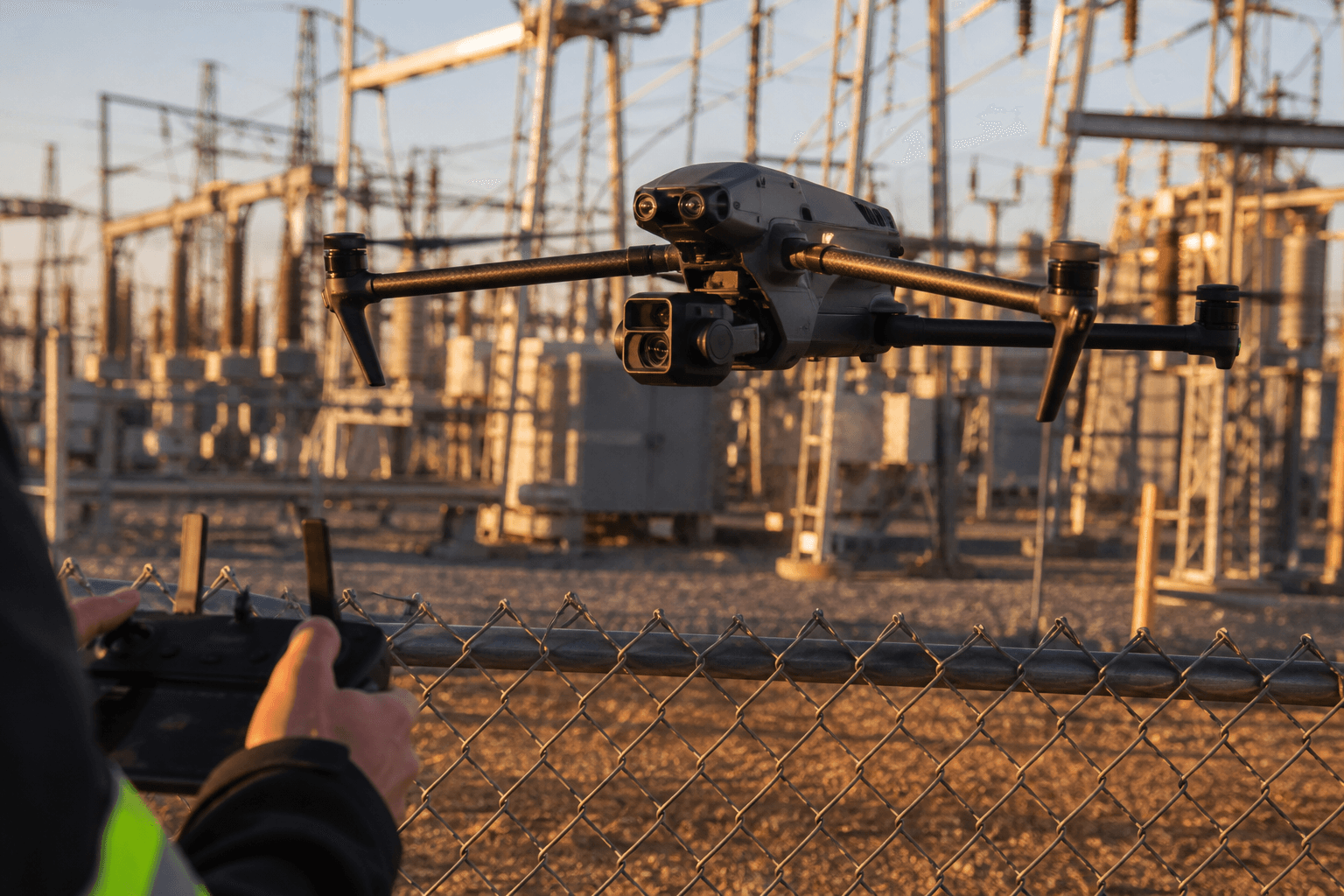
On July 12, Commercial UAV News reported that the FAA released its long-awaited NPRM for drone restrictions around critical infrastructure. This is the operational flip side of expanded flight authority: as pilots gain the ability to fly farther and out of sight, regulators are moving to formalize where drones cannot go.
This connects directly to Section 2209, the statutory hook that lets facility operators petition for airspace restrictions over sensitive sites — energy, utilities, and similar infrastructure. For working pilots, the practical implications are straightforward but consequential:
- Airspace maps are about to get more complex, with new fixed restrictions layered onto existing controlled airspace.
- Mission planning near infrastructure will require checking a broader set of prohibitions, not just LAANC grids.
- Enforcement is likely to be less forgiving as these zones become codified rather than advisory.
Because this is a proposed rule, the boundaries and exemption process are still open for comment. That's an opportunity: operators who fly near infrastructure should read the NPRM and weigh in before the rules harden. Public safety agencies especially should map how these restrictions intersect with their response areas — a topic we cover on our public safety page.
Money, defense, and a maturing operational backbone
The policy shifts are unfolding against a backdrop of aggressive capital flow. The Washington Post reported on July 13 that President Trump's sons have invested heavily in defense technology as the administration pours federal money into the sector — a reminder that drone and autonomous systems funding is now entangled with national-security politics. Fuel Cells Works, on July 15, reported new orders for heavy-lift drone powertrains and hydrogen-powered UAVs, pointing to demand for larger, longer-endurance platforms.
The capability picture isn't only American. Reporting from Taipei Times and Taiwan News in late July described a domestic fight in Taiwan over drone budget funding, with the Cabinet warning that a proposed freeze by the KMT could threaten efforts to build a "non-red" supply chain — one independent of Chinese components. For U.S. operators, that underscores how supply-chain sourcing and procurement politics increasingly shape which hardware is available and approved.
Meanwhile, the operational plumbing is scaling. Dronelife reported on July 2 that ANRA Technologies now manages more than 55,000 commercial drone operations per month — evidence that the UTM and airspace-coordination layer BVLOS depends on is already handling real volume. Rules like Part 108 don't work in a vacuum; they need this kind of traffic-management backbone underneath them.
For pilots and small operators, the takeaway is to build for the framework that's arriving, not the one that's leaving. If you're pursuing commercial work, keep your certification current and your knowledge fresh through practice exams.
Key takeaways
- Part 108 is close but not final — track the rulemaking and prepare for a standing BVLOS framework, not endless waivers.
- The critical-infrastructure NPRM is open for comment; if you fly near sensitive sites, read it and weigh in now.
- Expect stricter, codified airspace enforcement and more complex mission planning as Section 2209 restrictions formalize.
- Capital and supply-chain politics — from U.S. defense spending to Taiwan's budget fight — will shape which platforms you can buy and fly.
Put your drone to work.
Get certified, then turn your flights into measurable, shareable maps — 20 a month included in your $19/mo membership. Everything a working operation needs in one account.