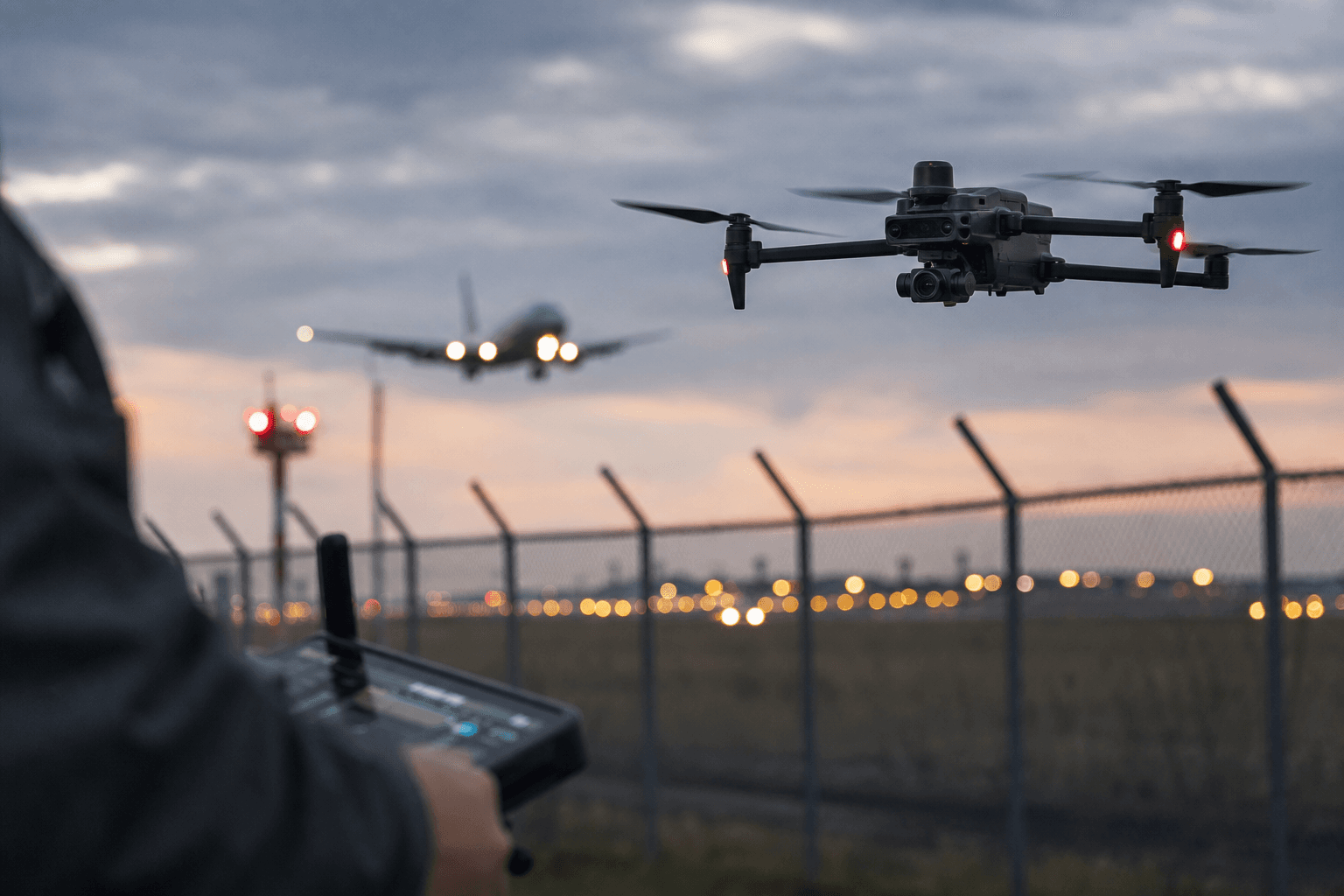
The FAA built Remote ID to answer one question: whose drone is that? The rule is now fully in force, the agency has launched a new enforcement program, and it even held its annual Drone Safety Day to drive the message home. And yet, according to FAA data reported by Dronelife, drone sightings near airports nearly doubled in the second quarter of 2026. A JetBlue jet on approach to JFK was reportedly struck by a drone in late June, and the FAA is investigating a cluster of drone incidents near the Eastern Iowa Airport possibly tied to a data center construction site.
That is the uncomfortable state of play for anyone flying legally: the compliance infrastructure has arrived, but the sightings curve is going the wrong way. For remote pilots who do everything right, the risk isn't that the rules are too strict — it's that the noise from bad actors is what regulators, airports, and the public now see first.
2x
Airport drone sightings, Q2 2026 vs. prior quarter
$68M
UK funding for hybrid Remote ID and AAM
1
JetBlue jet reportedly struck near JFK
The detection gap is the real story
Remote ID is often described as a "digital license plate," and that framing sets up the wrong expectation. A license plate only helps if someone is positioned to read it. Most of the airport sightings driving the Q2 spike come from pilots, tower controllers, and citizens making visual reports — not from a network of receivers automatically logging every Remote ID broadcast near a runway.
That matters because Remote ID assumes the cooperative case. A pilot who registers, flies a compliant aircraft, and broadcasts their ID is exactly the pilot who wasn't going to buzz a final approach path in the first place. The operator flying an unregistered or non-broadcasting drone near an airport — the one causing the alarm — is the one Remote ID does the least to catch. The UK is spending roughly $68 million on a hybrid Remote ID approach, as reported by Unmanned Airspace, precisely because network-based detection is a separate, expensive layer that broadcast rules alone don't deliver.
So the doubling of sightings tells us two things at once: there may be more drones flying where they shouldn't, and the reporting and detection apparatus is more active than it used to be. Both can be true. Neither is good news if you're a legitimate operator whose work now happens under a cloud of suspicion.
Enforcement is catching up — and it will land on the compliant
The FAA isn't standing still. As Dronelife reported, the agency rolled out its DETER program to close the enforcement gap, signaling a shift from writing rules to actually pursuing violations. UAV Coach's rundown on Remote ID makes the same underlying point: the era of "nobody's really checking" is ending.
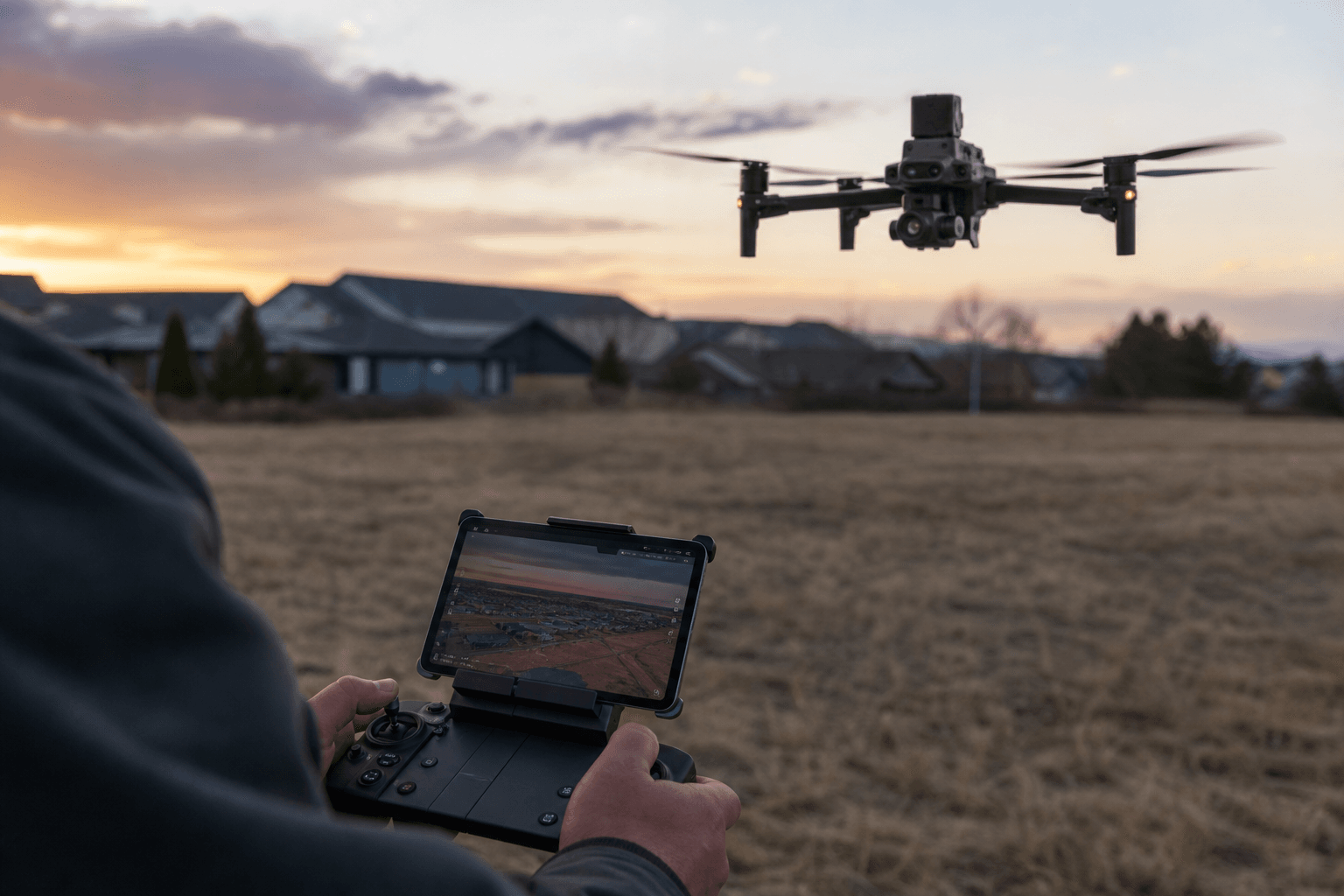
Here's the practical wrinkle. Enforcement tends to catch the findable, not the worst. The anonymous operator near JFK is hard to identify. The registered Part 107 pilot doing a legitimate rooftop inspection two miles from a Class C airport is trivially easy to check — and if that pilot's authorization, altitude, or Remote ID broadcast has a gap, that's the citation that gets written.
Remote ID and DETER don't just protect airspace from rogue drones — they raise the bar for the pilots who were already trying to follow the rules.
What that means for you:
- Confirm your Remote ID is actually broadcasting. A compliant airframe with a disabled or malfunctioning broadcast module is a non-compliant flight. Verify it, don't assume it.
- Keep your LAANC authorizations and any waivers accessible in the field. If you're checked, "I had authorization" is worth nothing without the record.
- Log everything. Altitude, location, time, and airspace class. If a legitimate flight gets swept into a sightings investigation, your log is your defense.
The reputation problem the industry keeps losing
Commercial UAV News framed it bluntly: the industry has a strong safety record, but almost nobody outside it knows. That disconnect is the strategic threat. When a jet is reportedly struck near JFK and airport sightings double in a single quarter, the public and local officials don't distinguish between a licensed commercial operator and a hobbyist flying blind near a runway. The category takes the reputational hit as a whole.
This is where the pilot community's behavior becomes a policy input. Every clean, well-documented, visibly compliant operation is a small argument against the reactive local bans and restrictions that follow every high-profile incident. The FAA's Drone Safety Day and its revamped Drone Safety Team exist partly to make that case — but the case is only credible if the day-to-day flying backs it up.
One more signal worth watching: Transport Canada has proposed its own Remote ID framework alongside community-based organizations and designated RPAS airspace, as noted by MLT Aikins. The direction across North America is converging — more identification, more designated airspace, more accountability. Pilots who treat compliance as a baseline habit now will be ahead of the regulatory curve rather than scrambling to catch it.
If your Remote ID knowledge is fuzzy or your airspace authorization workflow is inconsistent, that's a training gap worth closing before an inspector or an incident closes it for you. Our course library covers the current requirements in detail.
Key takeaways
- Remote ID catches the cooperative operator, not the rogue one — so enforcement pressure lands hardest on pilots who were already trying to comply.
- Verify your Remote ID actually broadcasts, keep authorizations field-accessible, and log every flight; your record is your defense in any sightings investigation.
- Airport sightings doubling in one quarter is a reputation threat to the whole industry — clean, documented operations are the community's best argument against reactive bans.
Ready to get Part 107 certified?
Study the exact material this article covers — narrated lessons and unlimited practice exams. Your $19/mo membership also includes preflight checks, fleet & currency tracking, and 20 drone maps a month.