Delivery Drones Hit Main Street: Omaha, Cleveland, and London Scale Up
Amazon lands in Nebraska, Cleveland Clinic launches pharmacy drops, and NHS samples fly across London. A single week shows drone delivery moving from pilot to routine — and where the real business is.
Drone Ready Editorial·Commercial UAS·July 17, 2026·4 min read
Share
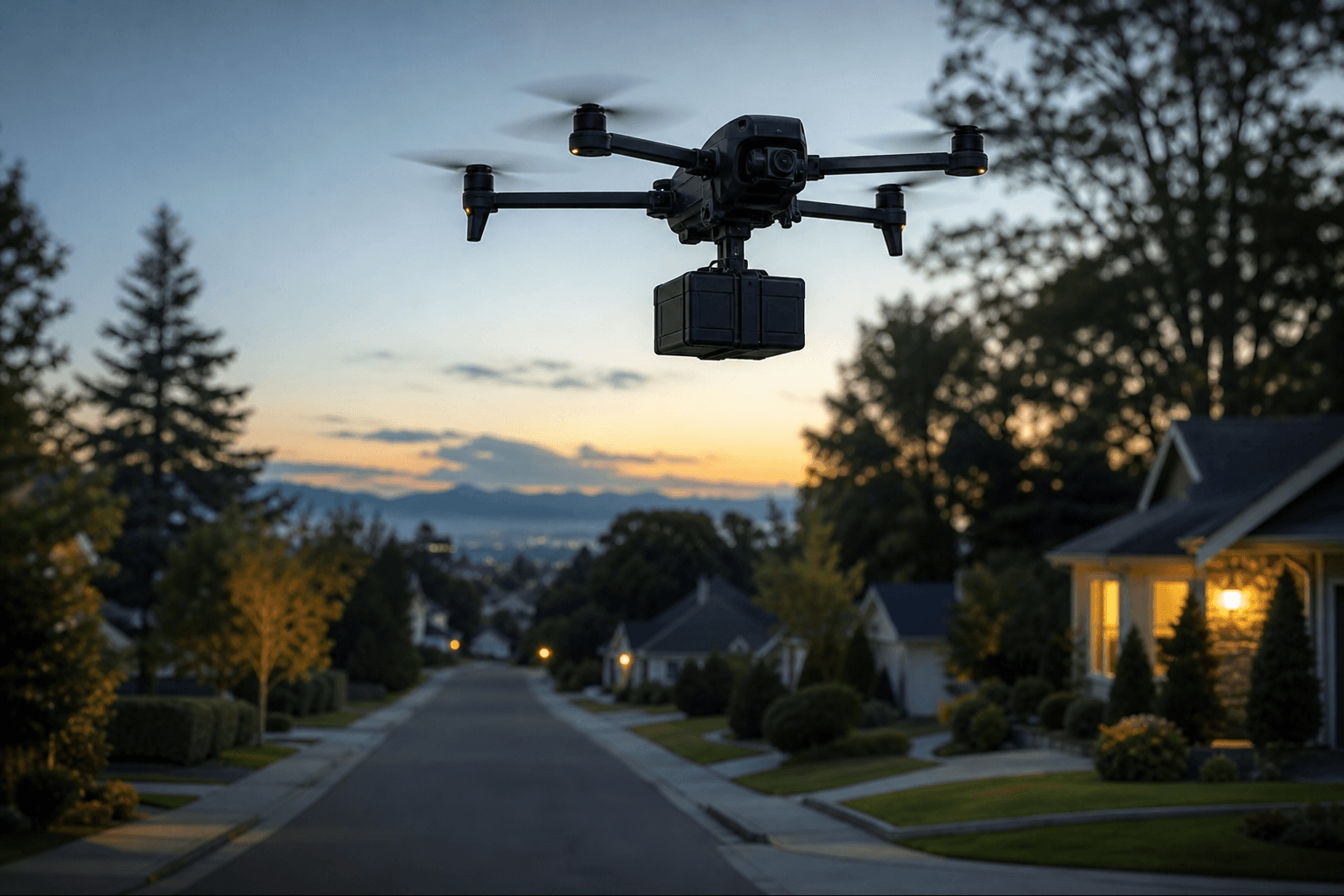
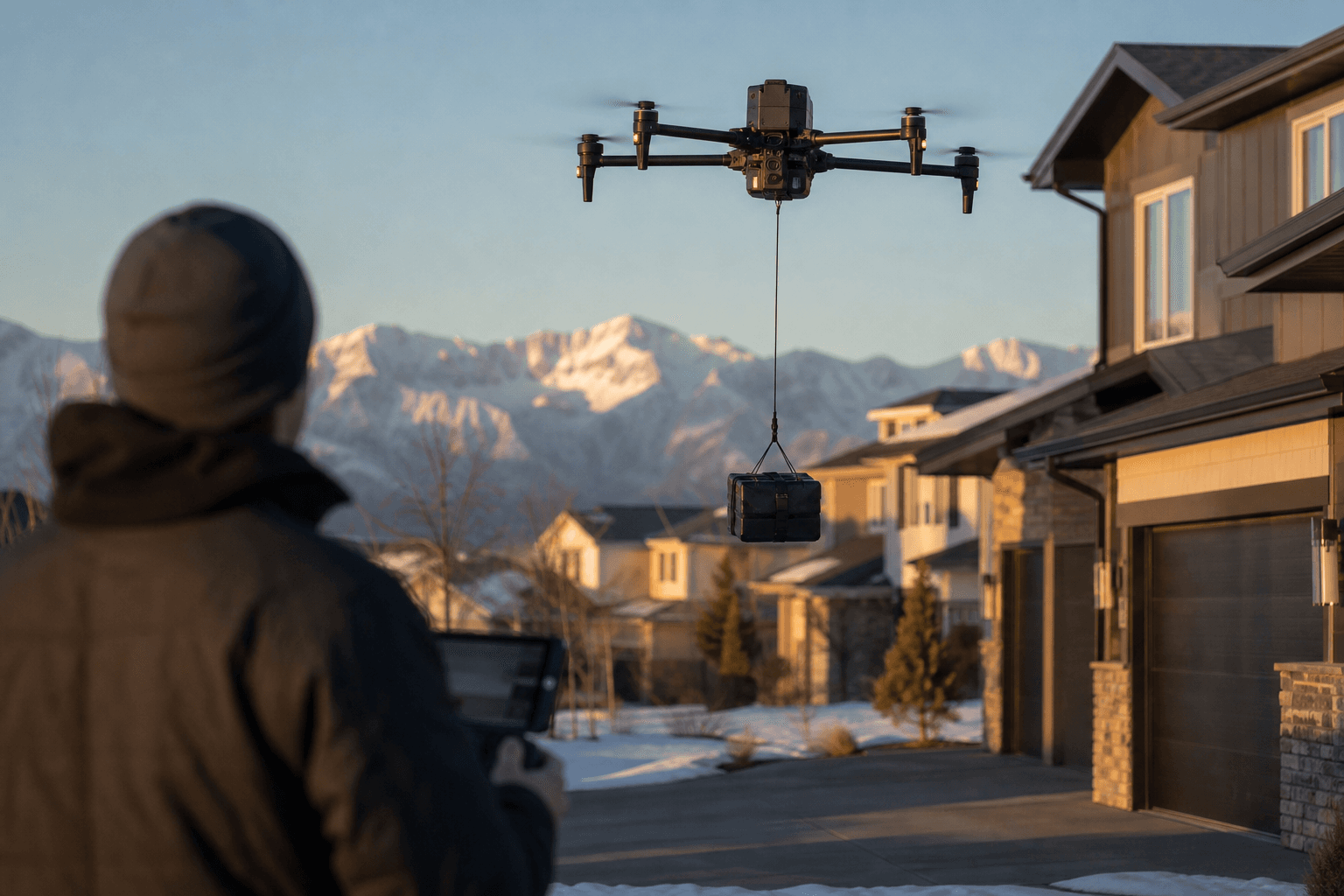
On the same July day that Amazon confirmed Prime Air was coming to the Omaha suburbs, Cleveland Clinic announced pharmacy deliveries by drone in Beachwood, Ohio, and Wing-powered aircraft began ferrying medical samples across London for the NHS. Three unrelated operators, three continents' worth of ambition compressed into one news cycle — and a clear signal that drone delivery is quietly graduating from demonstration flights to standing service.
For commercial operators, the interesting story isn't any single launch. It's the pattern: the winners are pairing a specific, high-value payload with a regulatory pathway they've already cleared. That combination — not novelty — is what turns a headline into a route that flies every day.
3
Delivery programs announced or expanded in one week
FAA Part rule underpinning US commercial delivery ops
Amazon Comes to Nebraska
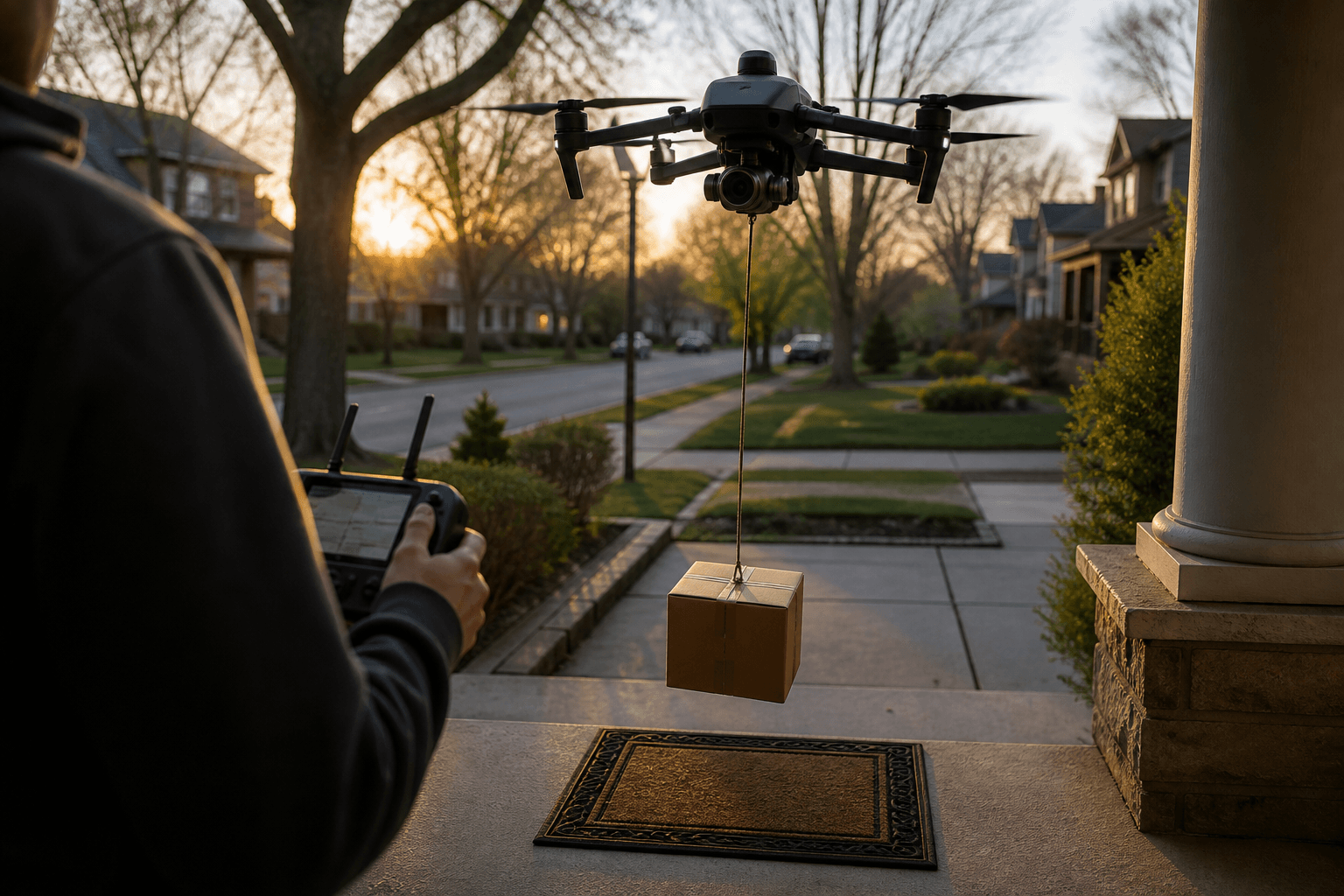
Amazon is bringing Prime Air drone delivery to the Papillion and greater Omaha area this summer, according to reporting from KMTV, KETV, WOWT, and the Omaha World-Herald. KLKN-TV noted local officials in Papillion welcoming the operation, and the World-Herald was given a preview of how deliveries in the metro will work.
The geographic choice is telling. Omaha's suburbs offer what delivery drones need most: lower-density housing with yards and rooftops that give autonomous aircraft clear drop zones, plus the airspace headroom that dense urban cores rarely provide. Amazon has spent years cycling through markets, and its expansion into a mid-sized metro suggests the company is optimizing for operational simplicity over dense-market prestige.
For operators watching from the sidelines, the lesson is site selection. The economics of delivery improve dramatically where drop points are unobstructed and neighbor complaints — the quiet killer of many programs — are easier to manage. If you're building a delivery or last-mile business, the map matters as much as the machine.
Healthcare Is Where the Payloads Pay
Two of this week's three developments were medical. Cleveland Clinic will begin pharmacy drone deliveries in Beachwood, per Cleveland.com, and DroneDJ reported that Wing-powered drones are now speeding NHS sample deliveries across London.
That's not a coincidence. Healthcare logistics tick every box that makes drone delivery viable:
High value per gram. A prescription or a diagnostic sample is small, light, and time-sensitive — exactly the profile where a drone beats a van stuck in traffic.
Time is clinical, not just convenient. A blood sample that reaches a lab faster can change a treatment decision. That urgency justifies premium pricing in a way that a burrito never will.
Institutional customers. Hospitals and clinics are repeat, contracted buyers who can absorb integration work and value reliability over novelty.
The commercial future of drone delivery may look less like pizza dropped in a backyard and more like a vial of blood beating rush-hour traffic to the lab.
Operators chasing consumer convenience are competing against Amazon's balance sheet. Operators serving hospitals, labs, and pharmacies are solving a logistics problem that institutions will pay to fix. That's a far more defensible position for a small or mid-sized business.
The Regulatory Rails Are Being Laid
Routine delivery lives or dies on two approvals: an operating certificate and permission to fly beyond visual line of sight (BVLOS). This week showed both moving.
Dronelife reported that Matternet added Beeline UAS to its Part 135 drone delivery operator network. Part 135 is the FAA's air-carrier certification — the same framework that governs charter aviation — and it remains the highest bar a US delivery operator can clear. By expanding a network of certificated operators, Matternet is building shared infrastructure that new entrants can plug into rather than each fighting through certification alone.
Meanwhile, DroneDJ reported that DJI has made European BVLOS approvals significantly easier. Under Europe's Specific Operations Risk Assessment (SORA) framework, the burden of proving an aircraft is safe enough for BVLOS falls heavily on the operator. Manufacturer-supplied data and documentation can shorten that path considerably. If DJI is packaging what regulators need to see, individual operators spend less time and money assembling their own safety case.
The takeaway for US operators: watch how manufacturer-backed approval pathways migrate across the Atlantic. The FAA's forthcoming BVLOS rulemaking will lean on similar risk-based logic, and operators who understand the certification landscape now will move faster when the rules firm up. If you're still building foundational knowledge, our course library covers the Part 107 groundwork that BVLOS operations build on.
What Operators Should Do Now
Drone delivery is still capital-intensive and dominated by well-funded players — Amazon, Wing, Matternet's network partners. But this week reveals openings for smaller operators who specialize rather than generalize.
The defensible plays are narrow and deep: a contracted medical courier route, a rural pharmacy corridor, an inspection-adjacent delivery service that leverages BVLOS waivers you already hold. Chasing consumer delivery against Amazon is a losing game. Solving a specific institutional logistics problem is a business.
Key takeaways
Healthcare payloads — samples, prescriptions — offer the clearest path to profitable delivery for smaller operators.
Site selection (suburban, low-obstruction) drives delivery economics as much as the aircraft itself.
Manufacturer-backed BVLOS documentation is lowering approval barriers in Europe; expect similar dynamics as US rules mature.
Part 135 networks let new entrants plug into existing certification rather than going it alone.
Study the exact material this article covers — narrated lessons and unlimited practice exams. Your $19/mo membership also includes preflight checks, fleet & currency tracking, and 20 drone maps a month.