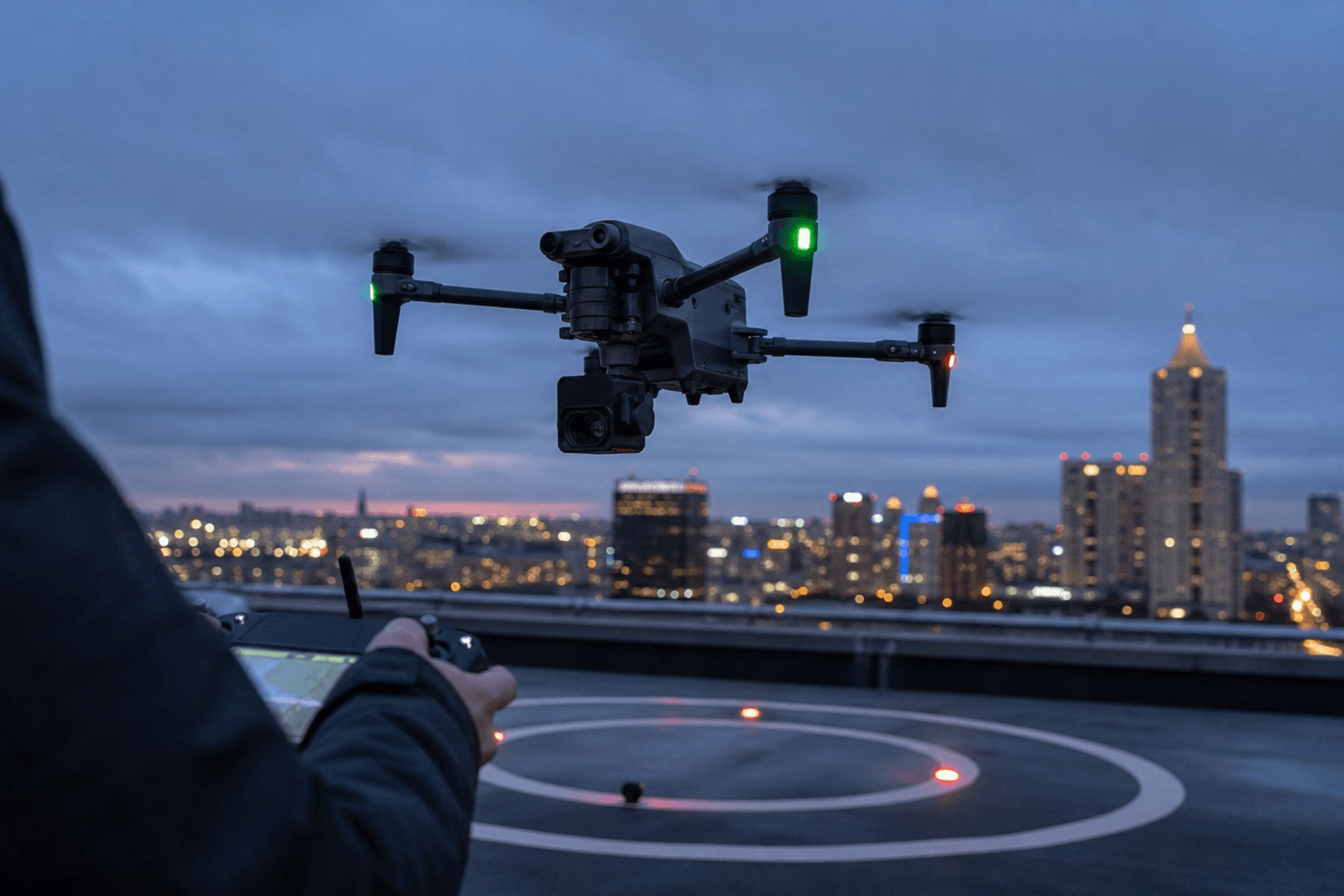
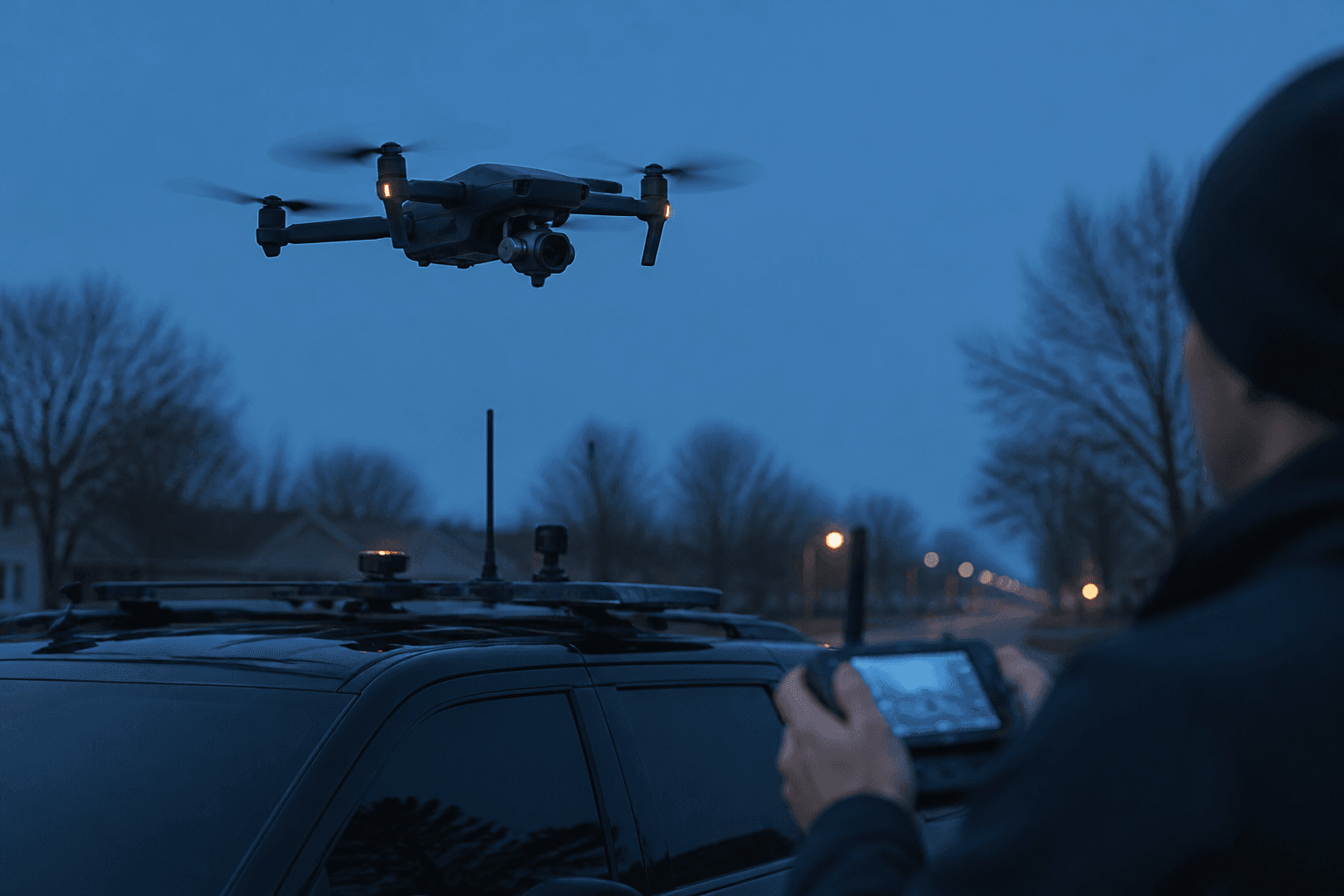
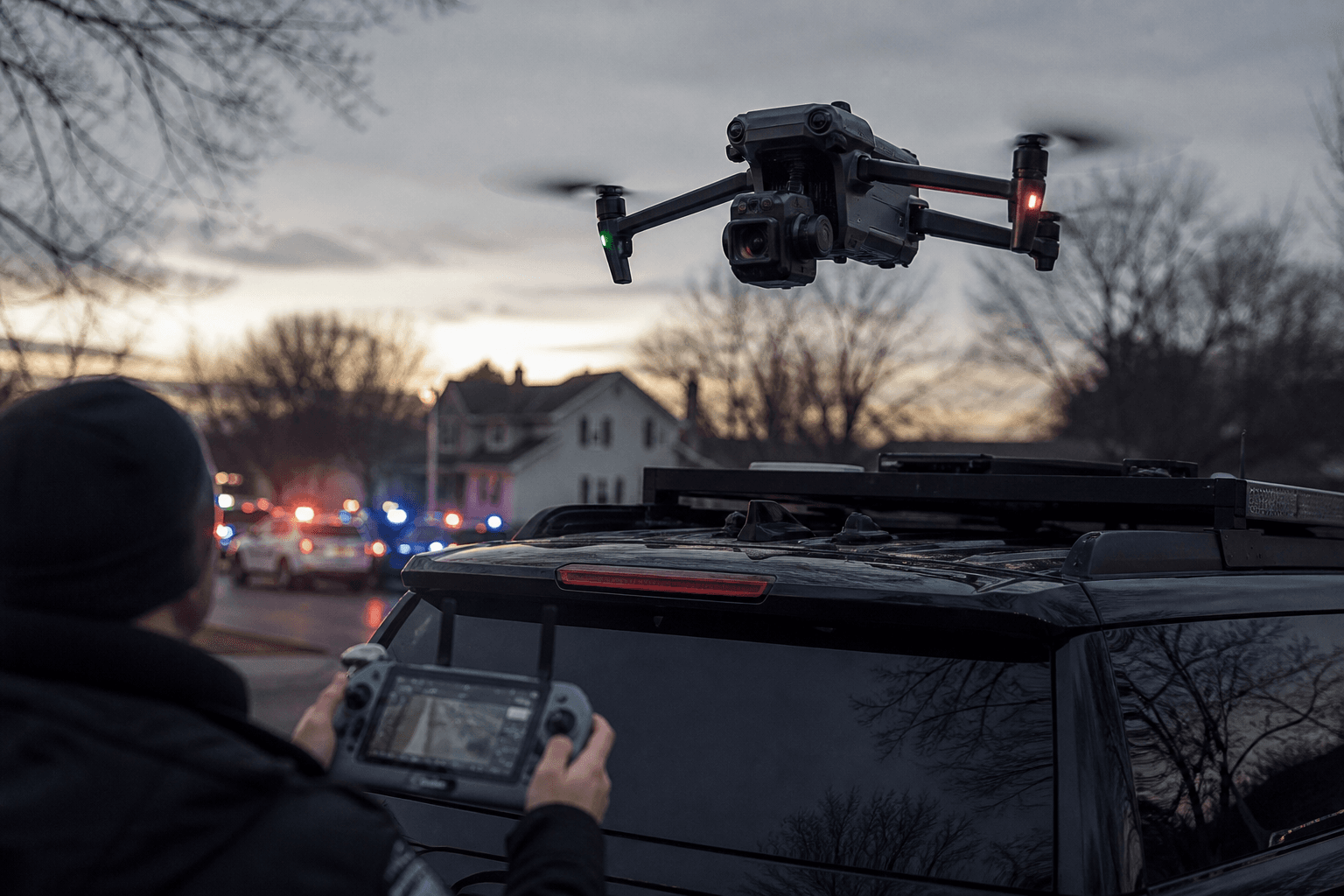
In the same first week of August, a Vienna, Virginia police drone located a missing hiker in 75 minutes, an O'Fallon program released body-of-work footage of drones beating officers to scenes, and a police UAV was the first unit on scene at a restraining-order violation call. In that same week, the Metro Nashville Council moved to restrict its police department's drone use after an unapproved pilot program, and a Lewiston, Maine council fight over a proposed police drone spilled into a broader debate about crime and overtime spending.
That split is the real story for DFR leaders right now. The operational case is being proven weekly. The governance case is where programs live or die.
75 min
Time for Vienna PD drone to find a missing hiker
$200K
Lewiston police overtime plan approved amid drone debate
2
Nashville council actions this week to limit police drone use
The Operational Case Is Now Routine
The deployment stories this week are notable precisely because they are no longer novel. DroneXL reported that Vienna, Virginia police used a drone to locate a missing hiker in 75 minutes — the kind of search-and-rescue outcome that would have taken far longer, and more personnel, on the ground. NewsNation reported a police drone arriving first to a 911 call for a restraining-order violation, giving officers eyes on a volatile domestic situation before they arrived. First Alert 4 reported that O'Fallon police released footage showing their program in action, part of a growing pattern of agencies proactively publishing what their drones actually do.
Honolulu, meanwhile, is launching its own DFR program, KHON2 reported — another agency joining a field that continues to expand across the country. And the infrastructure is maturing alongside the missions:
- Skydio and CentralSquare announced they are wiring DFR directly into police dispatch, per DroneXL — meaning a drone can be launched off a computer-aided dispatch (CAD) event rather than a separate manual workflow.
- DRONERESPONDERS opened registration for an Urban Search & Rescue workshop in Kansas City, August 25–27, per the National Law Review — a sign that formal training and doctrine are catching up to adoption.
The dispatch integration is the quiet standout here. Tying drone launch to the CAD system is how DFR stops being a special-project add-on and becomes a standard first-responding asset. If you run a program, that integration is the difference between a drone that flies when someone remembers to launch it and one that flies on the call itself.
The Governance Case Is Where Programs Stall
Against those wins, Nashville is a warning. WSMV and Yahoo both reported that the Metro Nashville Council is moving to restrict police drone use following an unapproved pilot program — the department ran drones before the council had signed off. That sequencing is the problem. Once a program launches without clear authorization, the conversation shifts from "how do we use this well" to "why did you do this without asking," and every future capability gets viewed through that breach of trust.
The fastest way to lose a DFR program isn't a crash or a bad flight. It's launching before your governing body feels it was asked.
Lewiston, Maine shows the other version of the same dynamic. The Maine Wire reported that a police drone proposal became entangled in a heated council debate over shootings, juvenile crime, and a $200K police overtime plan. The overtime plan passed unanimously; the drone proposal became a flashpoint. When a drone request rides alongside broader anxieties about policing and budgets, it can absorb political heat that has nothing to do with the technology itself.
The Accountability Cuts Both Ways
There's a third thread worth watching. WMTV reported that Madison police drone video captured a physical altercation between the city's Independent Police Monitor and officers. That footage is a reminder that DFR cameras don't just record suspects — they record police conduct too.
For program managers, that's not a liability to fear; it's an argument to make. Drone footage is evidence in both directions. Agencies that lean into that — clear retention policies, transparent release practices like O'Fallon's, and access rules that oversight bodies helped write — build the trust that Nashville skipped.
What DFR Leaders Should Do Now
The pattern across all nine of these developments is consistent: capability is not the bottleneck. Legitimacy is. A few concrete moves:
- 1Get authorization in writing before you fly. Nashville's unapproved pilot is the cautionary tale. A signed council or oversight resolution is cheaper than rebuilding trust after the fact.
- 2Publish your wins and your rules together. O'Fallon's released footage and a plain-language policy on retention, access, and audit do more for public buy-in than any vendor demo.
- 3Decouple the drone ask from the budget fight. Lewiston shows how quickly a drone line item becomes a proxy war. Present DFR on its own operational merits.
- 4Treat dispatch integration as a policy question, not just a tech one. Wiring drones into CAD, as Skydio and CentralSquare are doing, means defining which call types auto-trigger a launch — and that list belongs in your public policy.
Agencies standing up new programs — and the pilots who staff them — should build the paperwork and the Part 107 foundation with the same seriousness as the airframe. The flying is the easy part now.
Key takeaways
- DFR operational value is proven weekly; the fight has moved to authorization and oversight.
- Nashville's unapproved pilot shows launching before council sign-off is a program-killing mistake.
- Dispatch integration (Skydio/CentralSquare) turns DFR into a standard responding asset — but auto-launch rules belong in public policy.
- Drone footage records officer conduct too; transparency is an asset, not a liability.
Standing up a drone program?
Train and certify your team, track every pilot's Part 107 currency, manage the fleet, and keep audit-ready records — one platform built for public safety and DFR.