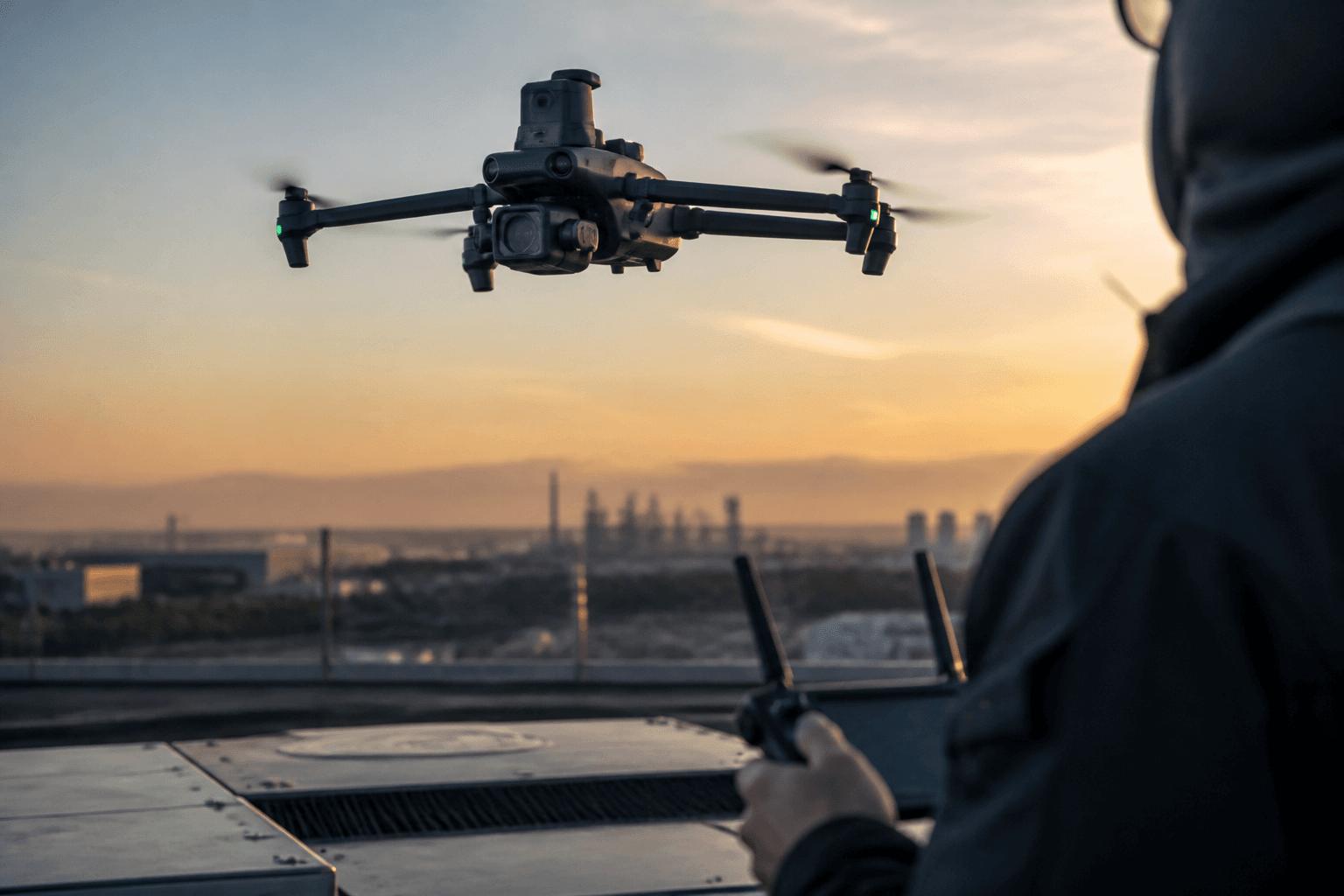
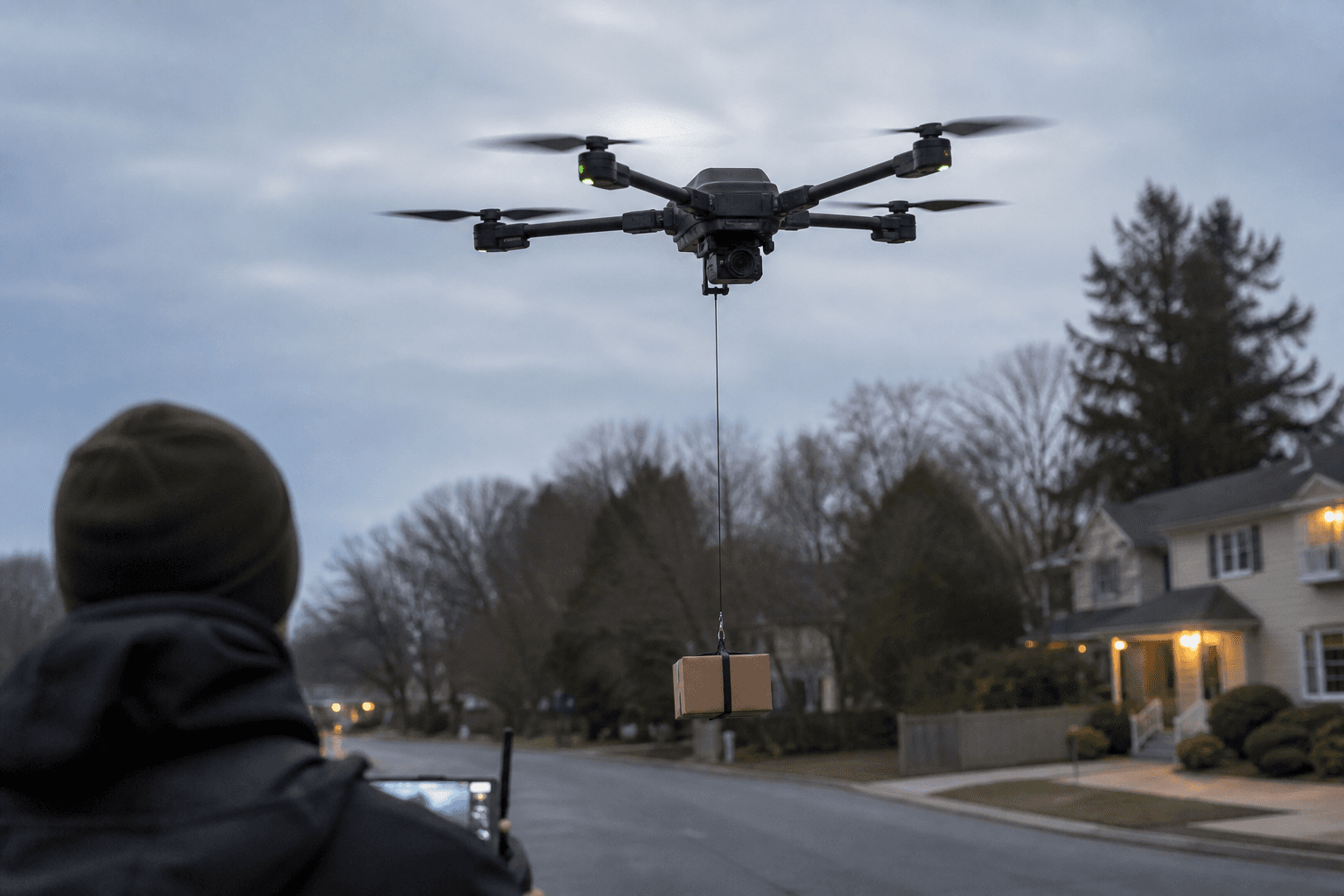
The hardware most American drone pilots fly was shaped by forces far outside the FAA. In the span of a few months, eighteen European and Ukrainian defense firms launched a joint "Drone Alliance," Taiwan's government approved a funding package to build out its domestic unmanned-systems industry, and federal money kept pouring into the US drone market. None of these developments is an FAA rulemaking. All of them will eventually touch what you can buy, what you can fly, and who you can fly it for.
For professional operators, the lesson of 2026 so far is that the drone business has become an instrument of national policy. That reality is now feeding directly into procurement rules, supply chains, and the economics of the aircraft sitting in your case.
18
EU and Ukrainian firms in the new Drone Alliance
5
Real source reports driving this analysis
1
Taiwan state funding package for unmanned systems
Three Signals, One Direction
Taken together, the reporting points to a coordinated, government-driven buildout of drone manufacturing outside China.
- Europe and Ukraine are pooling production. As The Kyiv Independent reported, eighteen EU and Ukrainian defense companies formed a Drone Alliance to combine expertise — a direct outgrowth of wartime production lessons that are now being institutionalized into a standing industrial bloc.
- Taiwan is funding a home-grown base. Janes reported that Taiwan's government approved funding specifically to develop its domestic unmanned-systems industry, a move widely read as an effort to reduce reliance on Chinese components and build sovereign capacity.
- US federal dollars keep flowing. A StreetWatch item carried by Yahoo Finance described federal funding "flooding" the American drone market, with companies positioning to assemble next-generation platforms around that money.
The common thread is deliberate, policy-backed capacity outside the dominant Chinese manufacturers. For years, the cheapest and most capable commercial drones came from a small number of overseas suppliers. The world's governments are now spending to change that — and the aircraft that result will carry the design priorities of defense and security buyers, not hobbyists.
What This Means for the Aircraft You Fly
If you operate commercially, the supply-chain story is not abstract. It determines availability, price, and — increasingly — eligibility for public contracts.
The question for operators is no longer just "can this drone do the job?" It's "will this drone still be buyable, fundable, and contract-eligible a year from now?"
Expect three practical effects to build over the next few procurement cycles:
- 1More non-Chinese options, at higher price points. Government-backed manufacturing tends to prioritize security and sovereignty over cost. The new supply may be more expensive than what price-sensitive operators are used to.
- 2Tighter procurement strings on public work. Agencies spending federal dollars increasingly face country-of-origin requirements. If you bid on government contracts, the make and model of your fleet can decide whether you qualify.
- 3Faster feature trickle-down. Platforms designed for defense and critical-infrastructure missions tend to push improvements in autonomy, resilience, and detect-and-avoid. Those capabilities eventually reach the commercial market.
The Security Layer Is Already Landing at Home
The geopolitical framing isn't only about where drones are built. It's also about who is watching the airspace they fly in. FLYING Magazine reported that the FAA has been moving to address drone threats at "critical infrastructure" sites — a domestic echo of the same security concerns driving the overseas industrial push.
That matters for ordinary Part 107 work. As detection and counter-drone systems expand around sensitive sites, the margin for sloppy flying shrinks. Flying near a power plant, a port, or a stadium without clear authorization is more likely to be noticed, logged, and acted on. The compliance basics — airspace authorization, Remote ID, and knowing your course-library fundamentals cold — are the difference between a routine job and an enforcement problem.
Public safety agencies sit squarely in the middle of this shift. Police1 framed the moment as preparing first responders for a "next era of shared airspace," where drones are routine tools and the rules around who flies, who detects, and who intercepts are still being written. Agencies building or expanding public-safety UAS programs now have to think about procurement origin, counter-drone coordination, and airspace deconfliction all at once.
What Operators Should Do Now
None of this requires panic, but it does reward attention. A few concrete moves:
- Audit your fleet's origin and eligibility before your next contract bid, especially for government or critical-infrastructure work.
- Budget for a possible price shift if your preferred low-cost platforms become harder to source or disqualified from public work.
- Treat security-sensitive airspace as higher-risk than it was even a year ago, and document every authorization.
- Watch the capability curve, because the autonomy and resilience features being funded for defense will define the next generation of commercial tools.
The FAA still writes the rules you fly under. But the aircraft you fly, and the airspace restrictions you navigate, are now being shaped in defense ministries and funding committees around the world. Reading those signals is becoming part of the job.
Key takeaways
- Government-backed drone manufacturing outside China is expanding supply — likely at higher prices and with country-of-origin strings on public contracts.
- Check your fleet's origin and contract eligibility before bidding on government or critical-infrastructure work.
- Counter-drone detection around sensitive sites is growing; keep authorizations airtight and documented.
- Defense-driven autonomy and resilience features will shape the next generation of commercial platforms.
Ready to get Part 107 certified?
Study the exact material this article covers — narrated lessons and unlimited practice exams. Your $19/mo membership also includes preflight checks, fleet & currency tracking, and 20 drone maps a month.